

August 3, 2026
Installing new floors is one of the most rewarding improvements you can make to your home. The right material can enhance the appearance of every room while adding long-term value and creating a warm, inviting atmosphere. However, making informed decisions before installation helps ensure you enjoy the finished product for many years rather than encountering preventable issues later.
Choosing hardwood flooring involves more than selecting a wood species or stain color. Homeowners should understand how the material performs, what preparation is required, and what ongoing maintenance will look like after installation. Learning about these factors ahead of time makes it easier to choose floors that suit your lifestyle, budget, and design preferences.
Understanding the Foundation of a Successful Installation
Why Subfloor Preparation Matters
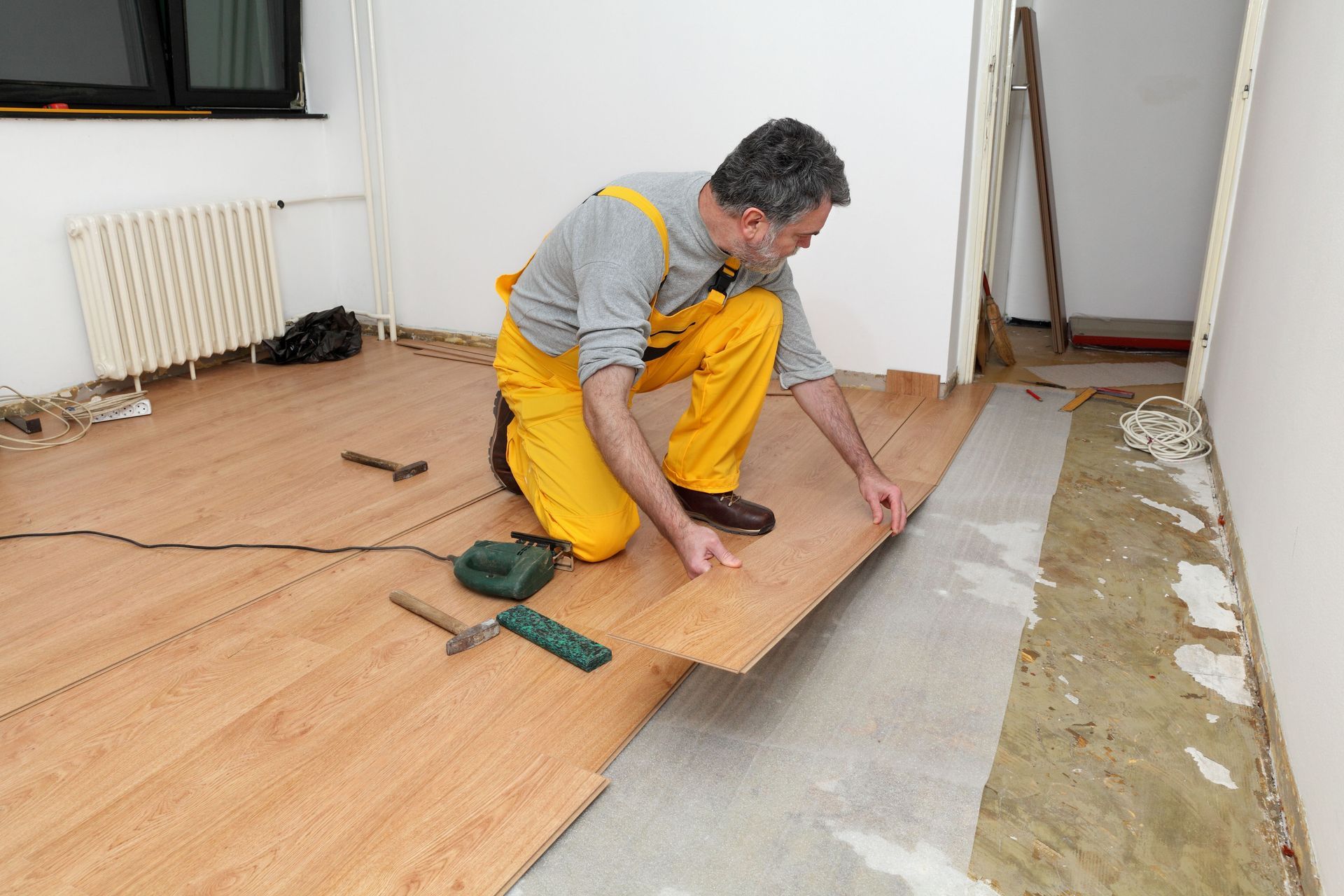
Beautiful floors begin long before the first plank is installed. One of the most important steps is evaluating the condition of the subfloor, which serves as the foundation for the entire project. If the surface is uneven, unstable, or moisture-affected, even the highest-quality materials may develop problems over time.
Professional installers inspect the subfloor for structural integrity, levelness, and cleanliness before beginning installation. They may repair damaged areas, smooth uneven sections, or recommend moisture barriers when appropriate. These preparations reduce the likelihood of squeaks, movement, or premature wear after installation is complete.
Proper preparation also helps the finished hardwood flooring maintain a consistent appearance throughout the home. When each plank rests on a stable surface, the installation looks more uniform and performs better under everyday foot traffic.
Choosing Materials That Fit Your Lifestyle
Every household has different priorities, which is why selecting the right flooring material requires careful consideration. Families with children or pets may prioritize durability, while others may focus on achieving a particular style or matching existing architectural details.
Wood species vary in hardness, grain patterns, and natural coloring. Some options resist dents better than others, while certain grain patterns create a more rustic appearance. Board width, plank length, and finish selection also influence the overall character of the finished room.
An experienced flooring professional can explain the advantages of various materials and help homeowners compare options that align with both their design goals and practical needs. Visiting a showroom or viewing larger samples often makes these differences easier to visualize before making a final decision.
Planning for Long-Term Performance
Installing hardwood flooring is a significant investment, so it is worth considering how the material will perform throughout the years. Seasonal humidity changes, household activity, and regular wear all affect how wood behaves over time.
Wood naturally expands and contracts as moisture levels fluctuate. Professional installers account for this movement by incorporating appropriate expansion gaps and selecting installation methods that match the specific environment. Proper planning helps reduce unnecessary stress on the floor and supports long-lasting performance.
Thinking beyond the installation itself also helps homeowners prepare for future maintenance. Understanding cleaning recommendations and everyday care practices before the project begins allows you to protect your investment from the very first day.
Selecting the Right Style for Your Home
Finding the Best Species and Finish
One of the most enjoyable parts of the process is choosing the appearance of your new floors. Different wood species offer unique colors, textures, and grain characteristics that complement a wide range of interior styles.
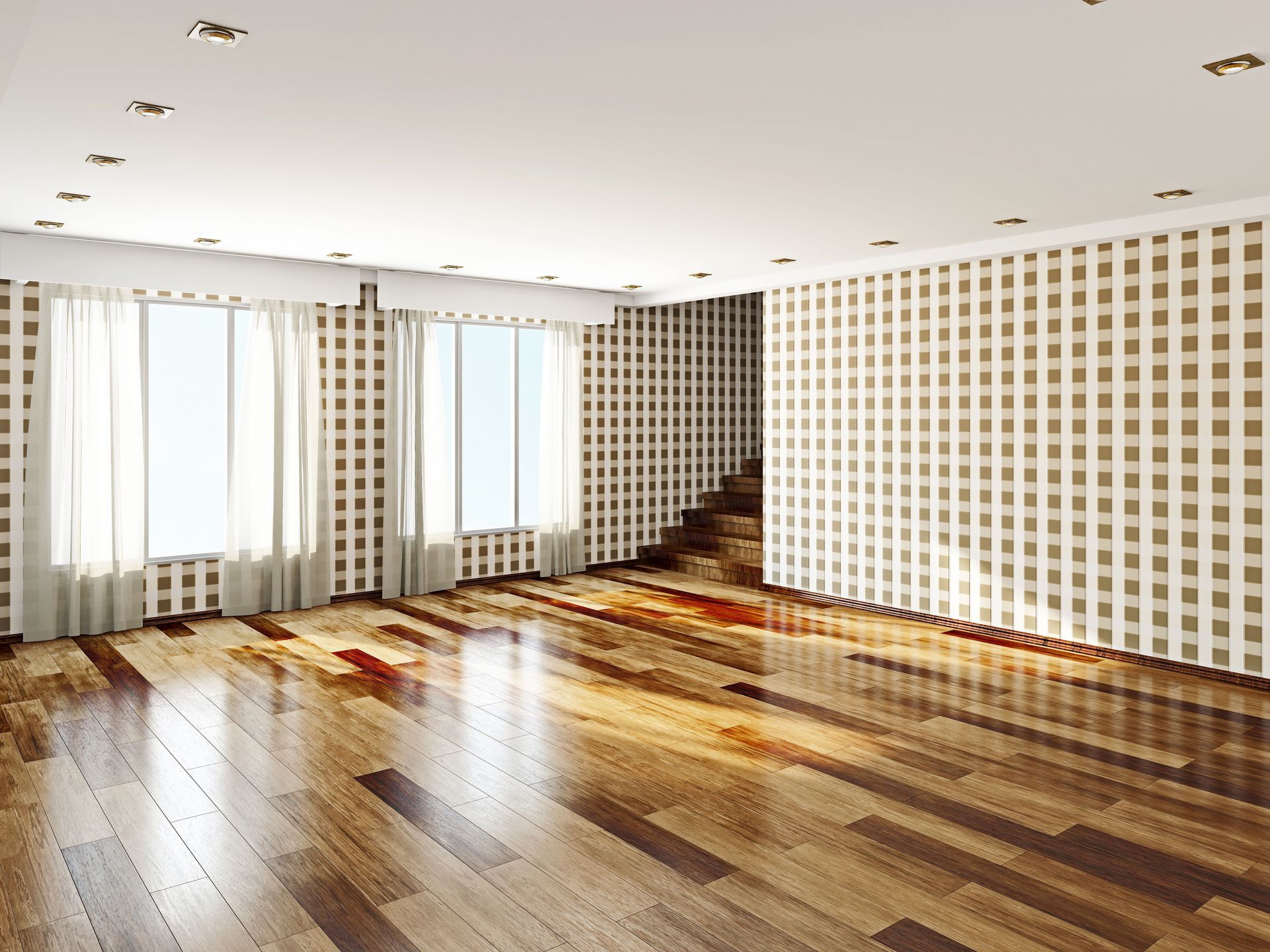
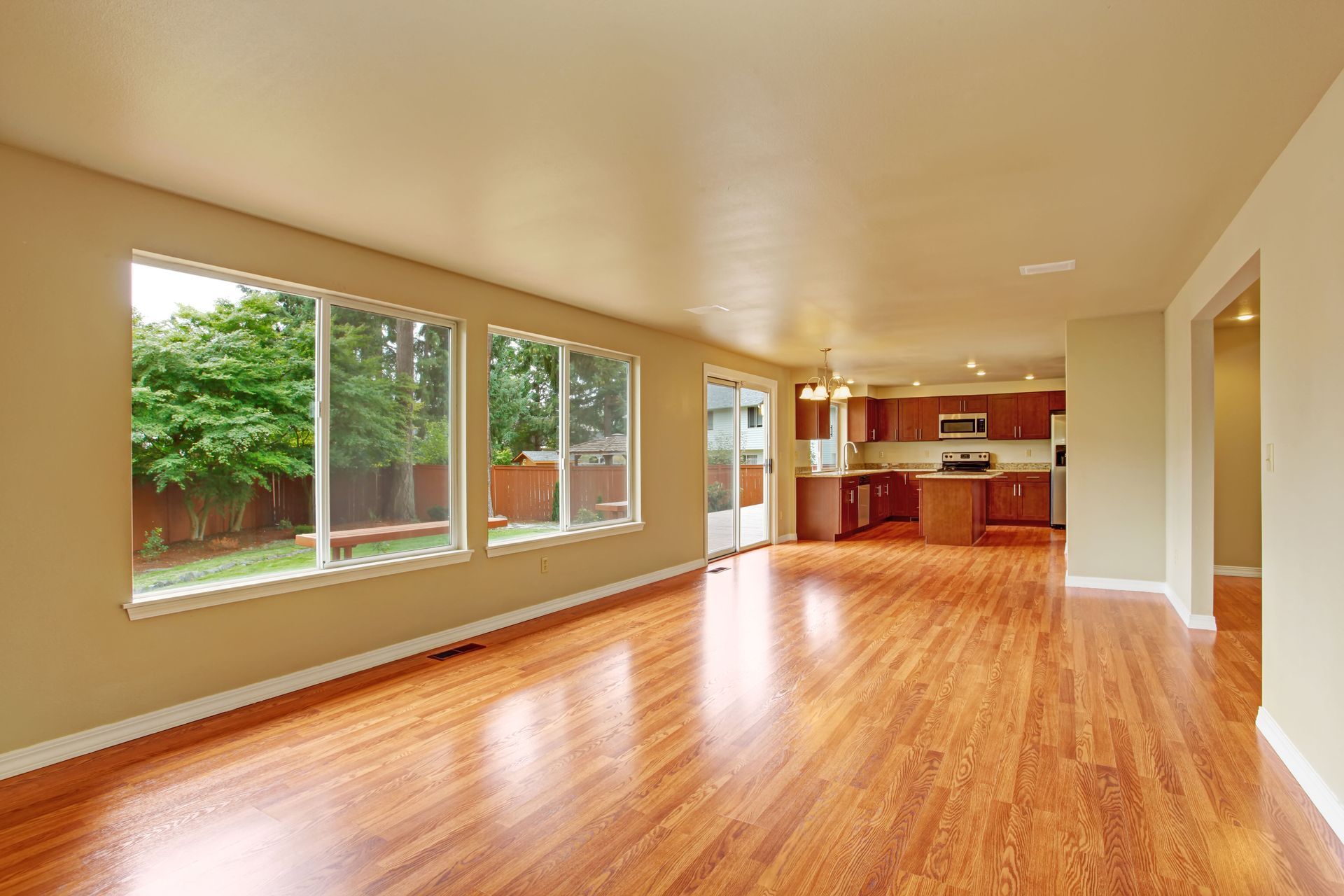
Lighter woods can brighten smaller spaces and create an open feeling, while darker finishes often produce a more traditional or dramatic appearance. Matte finishes can disguise minor scratches more effectively, whereas higher-gloss finishes are more reflective and create a polished look.
The finish you select also influences future maintenance. Some finishes are better suited for active households because they help conceal everyday wear between cleanings. Reviewing multiple samples under your home's lighting conditions can provide a more accurate sense of how the finished floor will appear.
Matching Floors Throughout the Home
Many homeowners wonder whether every room should feature the same flooring. Although a consistent design often creates visual continuity, individual spaces sometimes benefit from different materials depending on their function.
Professional installers carefully evaluate room transitions to ensure neighboring flooring surfaces connect smoothly. Proper transition pieces improve safety while creating a clean, finished appearance between rooms with different flooring types.
When expanding existing hardwood flooring, matching the wood species, board dimensions, and finish can be challenging. Experienced professionals have the knowledge to identify compatible materials that blend naturally with older floors, creating a seamless overall appearance whenever possible.
Understanding Installation Methods
Not every floor is installed the same way. The appropriate installation method depends on the type of wood, the subfloor material, and the conditions within the home.
Solid wood often uses nail-down or staple-down installation, while certain engineered products may be glued or floated over the existing subfloor. Selecting the proper technique helps improve stability and supports the manufacturer's performance expectations.
Professional installers also carefully plan board layouts before installation begins. Thoughtful layout planning minimizes unnecessary waste, improves visual balance, and creates a stronger overall installation by staggering joints appropriately throughout each room.
Protecting Your Investment After Installation
Building Healthy Maintenance Habits
Once installation is complete, consistent maintenance plays an important role in preserving your floors. Routine sweeping removes abrasive dirt and debris before it scratches the finish, while prompt cleanup of spills helps reduce the risk of moisture-related damage.
Furniture pads beneath chairs and tables can prevent unnecessary scratches during everyday use. Area rugs placed in entryways and high-traffic locations also help reduce wear while keeping dirt from being tracked across the floor.
Maintaining relatively stable indoor humidity throughout the year further supports the long-term condition of hardwood flooring. Excessive swings in moisture levels can contribute to expansion, contraction, or small gaps between boards over time.
Knowing When Professional Service Is Needed
Even well-maintained floors eventually develop signs of normal wear. Minor scratches, fading, and dull finishes become more noticeable after years of daily use, especially in busy households.
Rather than replacing the entire floor, professional restoration often renews its appearance. According to This Old House, refinishing solid hardwood flooring approximately every seven to 10 years, or as needed, helps protect the finish and contributes to a longer overall lifespan.
Professional repair services can also address isolated damage such as water exposure, loose boards, surface scratches, or worn finish areas. Addressing these concerns promptly often prevents more extensive repairs later.
Choosing an Experienced Installation Team
The quality of installation has a lasting impact on both appearance and durability. Skilled professionals understand how to evaluate site conditions, prepare the subfloor, install materials correctly, and finish each detail with precision.
Experienced installers also provide valuable guidance throughout the selection process, helping homeowners compare products, finishes, and layouts that suit their goals and budget. Their expertise helps reduce costly mistakes while ensuring the finished project reflects industry best practices.
Working with a qualified contractor that stands behind its workmanship provides additional peace of mind. Strong craftsmanship, quality materials, and clear communication all contribute to a smoother installation experience and better long-term results.
Installing new floors is an exciting opportunity to improve both the beauty and functionality of your home. Understanding the installation process, selecting materials that fit your lifestyle, and preparing for long-term maintenance all contribute to a successful outcome that you can enjoy for decades.
When you partner with experienced flooring professionals, you benefit from careful planning, quality workmanship, and knowledgeable guidance from start to finish. Taking the time to make informed decisions before installing hardwood flooring helps ensure your investment delivers lasting value, comfort, and timeless appeal for your home. For more expert information on solid hardwood floors for your home, reach out to Scott's Hardwood Floors, LLC!